Top 10 Benefits of Wpc Decking You Need to Know?
Wpc Decking has gained immense popularity in recent years. According to the Global Composites Market Report, the wood-plastic composite industry is expected to reach $9.4 billion by 2026. This surge reflects a growing preference for sustainable and durable materials in outdoor construction projects. WPC decking combines the best traits of wood and plastic, offering benefits that are hard to ignore.
Homeowners often struggle with traditional decking materials. They face issues like fading, splintering, and weather-related damage. WPC decking addresses these challenges effectively. It is resistant to moisture, insects, and UV rays, making it a reliable choice for various climates. Additionally, many reports highlight that WPC decking requires less maintenance compared to wood alternatives.
While WPC decking offers numerous advantages, there are considerations to keep in mind. Some users report that the initial cost can exceed that of wood. However, the long-term savings on maintenance can outweigh this upfront expense. As you explore the top benefits of WPC decking, it becomes clear why this versatile material is transforming outdoor spaces.
Key Characteristics of WPC Decking That Enhance Durability
WPC decking, made from wood-plastic composites, offers unique characteristics that significantly enhance its durability. The combination of wood fibers and recycled plastic provides a robust structure. This blend not only resists moisture but also prevents splintering and warping. Such resilience makes WPC decking ideal for various climates, from humid to dry.
One key feature is its low maintenance requirement. Unlike traditional wood, WPC decking does not need staining or sealing. This translates into time and cost savings for homeowners. Additionally, WPC is resistant to insects and mold, further extending its life span. However, it’s important to consider that while WPC decking is durable, exposure to harsh UV rays can cause fading over time. Regular cleaning is necessary to maintain its appearance.
Moreover, WPC decking is eco-friendly. The materials used are often recycled, contributing to sustainability. This aspect appeals to environmentally conscious consumers. However, some people note that it may not have the same natural aesthetic as pure wood. Balancing durability with visual appeal can be a challenge. Overall, WPC decking presents a reliable option for outdoor spaces, combining longevity with practical benefits.
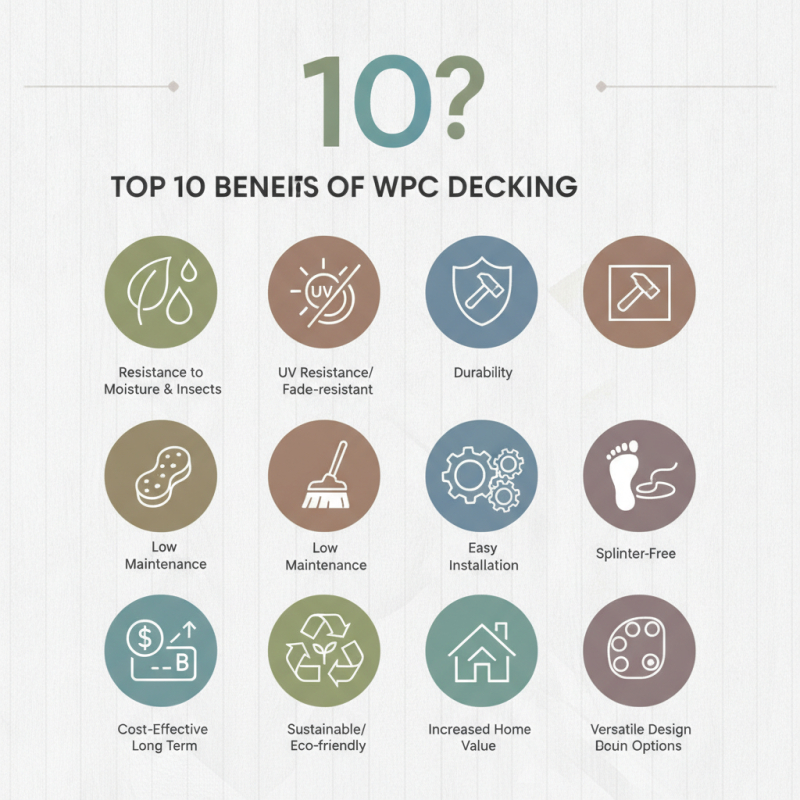
Top 10 Benefits of WPC Decking You Need to Know
| Benefit | Description |
| Durability | Resistant to fading, staining, and mold, ensuring a long lifespan. |
| Low Maintenance | Requires minimal upkeep compared to traditional wood decking. |
| Eco-Friendly | Made from recycled materials, contributing to environmental sustainability. |
| Aesthetic Appeal | Available in various colors and finishes that mimic natural wood. |
| Comfort underfoot | Soft and comfortable surface that’s pleasant to walk on. |
| Slip Resistance | Offers better traction even when wet, reducing slip hazards. |
| Versatility | Suitable for various applications, from decks to patios and walkways. |
| Weather Resistance | Withstands extreme weather conditions without significant degradation. |
| Cost-Effective | Although initial costs may be higher, savings on maintenance can offset it. |
| Easy Installation | Can be easily installed with minimal tools required, saving on labor costs. |
Environmental Benefits of Choosing WPC Decking Over Traditional Materials
WPC decking, made from recycled wood and plastic, offers significant environmental benefits. This composite material can reduce deforestation by utilizing recycled materials, which helps preserve natural habitats. A study from the U.S. Green Building Council cited that using WPC products can lower carbon emissions by up to 30%. This reduction is crucial in the fight against climate change.
Another critical advantage is WPC's durability. Unlike traditional wood, it resists rot, pests, and harsh weather conditions. This longevity means fewer resources are spent on replacements and repairs over time. According to the Environmental Protection Agency, the energy used to produce WPC decking is approximately 50% lower than that needed for conventional wood. This statistic highlights a vital shift towards sustainable building practices.
However, it's essential to note that WPC decking may not appeal to everyone. Some consumers express concerns about aesthetics, feeling that it lacks the warmth of natural wood. Additionally, many are unsure about environmental claims. Transparency is crucial to address these doubts. Engaging with credible industry reports can help consumers make informed choices. Educating oneself about sustainability practices is a continuous process.
Cost-Effectiveness of WPC Decking in the Long Run
When considering outdoor flooring options, WPC decking stands out for its cost-effectiveness over time. Made from a combination of wood and plastic, it offers durability without the high maintenance costs of traditional wood. Homeowners often find that WPC requires less frequent replacement and fewer repairs, translating to long-term savings. These materials resist fading and rotting, which means they maintain aesthetic appeal longer than their natural counterparts.
The initial investment might be higher than conventional decking. However, savings in maintenance and replacement often outweigh this cost. Many often overlook that, unlike wood, WPC decking doesn’t need regular staining or sealing. This requires less time and money, allowing homeowners to enjoy their space without constant upkeep.
It's vital to consider potential drawbacks, too. While WPC is resilient, extreme temperatures may affect its longevity. Homeowners should research and choose wisely to ensure they pick the right product for their climate. In the end, paying attention to these factors can help maximize the long-term benefits of WPC decking.
Maintenance Requirements and Longevity of WPC Decking
WPC decking, or wood-plastic composite decking, is gaining popularity due to its unique properties. One of the key advantages is its low maintenance requirements. Unlike traditional wood, WPC decking does not require regular sealing or staining. This can save homeowners both time and money. However, it’s important to clean the decking regularly to prevent mold and mildew. Using a mild soap solution and a gentle scrub can help maintain its appearance.
Longevity is another notable benefit of WPC decking. It typically lasts longer than traditional wood materials. Many WPC products are designed to resist fading and splintering. Despite this, some homeowners report inconsistencies in color over time. This might require touch-ups or updates. It’s crucial to select high-quality materials to ensure optimum durability.
However, there are considerations to keep in mind. WPC decking can be more expensive upfront than wood. This can be a barrier for some. Additionally, while the material is weather-resistant, it can still be affected by extreme temperatures. In some cases, it may require periodic replacement sooner than expected. Therefore, thorough research is essential before making a decision.
Aesthetic Versatility: Design Options with WPC Decking
WPC (Wood-Plastic Composite) decking delivers incredible aesthetic versatility for outdoor spaces. Homeowners and designers appreciate its ability to mimic natural wood while providing durability. Recent industry reports illustrate that WPC decking can achieve a 90% resemblance to real wood textures, empowering users to create beautiful environments with minimal maintenance.
A variety of design options are available with WPC decking. From rich, dark tones to light, airy shades, WPC can complement any architecture. For example, a homeowner might choose a tropical mahogany finish for a warm, inviting look. Others might opt for a sleek, modern gray to enhance contemporary designs. The aesthetic options cater to diverse tastes, yet some may feel overwhelmed by choices. Striking the right balance is crucial.
Moreover, reports indicate that WPC decking is also highly customizable. Shapes and patterns can be tailored to suit individual preferences. However, it’s important to consider installation challenges associated with complex designs. An attractive look may sometimes come with unexpected costs and maintenance issues. Thus, careful planning is essential to avoid potential pitfalls.
Top 10 Benefits of WPC Decking You Need to Know


 English
 España
 عرب
عرب 简体中文
简体中文
