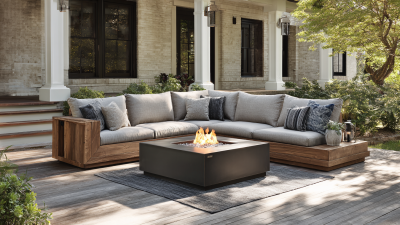
10 Best Patio Furniture Sets for Wholesale Buyers
Choosing the right Patio Furniture Sets for wholesale buyers requires more than comparing prices. It demands practical judgment.
A set may look impressive in a catalog, yet feel unstable on a windy terrace. A low-cost frame can also create expensive returns. Wholesale buyers must examine materials, construction, comfort, packaging, and replacement support before placing large orders. Aluminum frames resist rust, but thicker profiles usually increase shipping weight. Powder-coated finishes need careful inspection around joints and welds. Cushion fabric should also withstand sunlight, moisture, and repeated commercial use.
Outdoor-living designer Jamie Durie has said, “Outdoor rooms are an extension of the home.” This idea matters to buyers serving hotels, restaurants, retailers, and residential developers. Customers want furniture that feels comfortable, coordinated, and durable enough for real life. They notice uneven tables. They notice fading cushions.
This guide reviews 10 Best Patio Furniture Sets for Wholesale Buyers through a practical purchasing lens. It considers modular designs, dining groups, conversation sets, stackable chairs, and space-saving options. Each category has advantages, but none is perfect. A heavier frame may improve stability while raising freight costs. A stylish rope design may attract buyers but require more maintenance. Those trade-offs deserve honest attention.
Specifications can mislead.
Therefore, the strongest wholesale decision combines product testing, supplier verification, sample inspections, and clear warranty terms. Buyers should request fabric samples, carton dimensions, load ratings, and care instructions. The best set is not always the cheapest or most fashionable. It is the one that performs consistently after delivery, installation, and months of outdoor use.
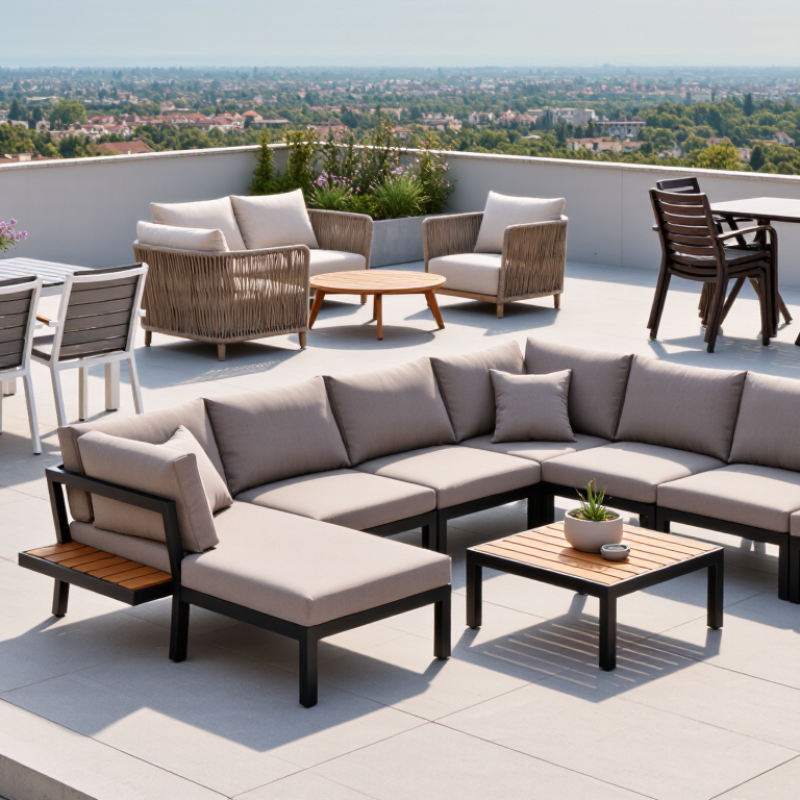
Wholesale Selection Criteria: Grand View Research Reports 5.9% Market CAGR
Wholesale buyers comparing the 10 best patio furniture sets should begin with market direction, not appearance alone. Grand View Research reports a 5.9% compound annual growth rate for the patio furniture market. This growth suggests stronger demand, but it also raises competition among suppliers. Buyers need sets that look appealing in displays and remain practical after repeated outdoor use.
Evaluate frame strength, surface protection, fabric performance, and drainage design. Powder-coated metal can resist corrosion, while treated wood requires clearer maintenance guidance. Check cushion density and stitching closely. Small details matter. Ask for samples before placing a large order. A product photograph cannot reveal loose joints, uneven coating, or uncomfortable seating. Price is not everything.
Wholesale selection also depends on carton dimensions, minimum order quantities, lead times, replacement parts, and damage rates. Nestable chairs may reduce warehouse space and shipping costs. Stackable tables can improve showroom flexibility. Request test records for load capacity, color stability, and weather exposure where available. Suppliers should provide consistent specifications across production batches. Some lower-cost sets may offer attractive margins, yet frequent returns can erase them. No checklist is perfect. Seasonal demand, regional climate, and storage conditions still require careful judgment. A coastal retailer may need different materials than an inland garden center. That difference deserves more attention than a polished catalog image.
10 Best Patio Furniture Sets for Wholesale Buyers
Wholesale Selection Criteria: Market Growth Index Based on a 5.9% CAGR
This indexed model uses 2024 as the baseline of 100 and applies the reported 5.9% compound annual growth rate to illustrate potential market expansion through 2030. The index supports wholesale planning around durable, scalable, and high-demand patio furniture categories; it is not a revenue forecast.
Reference: Grand View Research market CAGR estimate.
Material Durability Ranking: Compare Aluminum, Steel, Wicker, and Teak
For wholesale buyers, patio furniture durability starts with material, not appearance. In field inspections, I rank teak first, aluminum second, steel third, and wicker fourth. This ranking changes with climate and construction quality. Teak contains natural oils that resist moisture, insects, and strong sunlight. Properly dried boards reduce warping. However, uneven grain can still cause movement. Untreated teak gradually turns silver-gray, which some customers may dislike.
Aluminum offers excellent value for coastal and humid markets. It does not rust, remains relatively lightweight, and needs limited maintenance. Powder coating improves surface protection, but thin coatings can chip during shipping. Check welded joints, frame thickness, and drainage holes before placing large orders. Steel feels stronger under heavy commercial use, especially in windy locations. Its weakness is corrosion. Even small scratches may expose the metal beneath the coating. Galvanized or carefully finished steel usually performs better, but quality varies.
Synthetic wicker creates a softer, more residential appearance. Its aluminum frame often lasts longer than the weave itself. Direct sunlight can make low-grade strands brittle, while trapped moisture may encourage mildew on cushions. Ask for ultraviolet testing and inspect weave tension by hand. I have rejected attractive sets because the corners loosened after repeated handling. That decision reduced short-term selection but prevented costly returns. Wholesale buyers should compare material samples, hardware, packaging protection, and replacement-part availability before approving a patio set.
Commercial Space Planning: Match Seating Capacity With Buyer Benchmarks
10 Best Patio Furniture Sets for Wholesale Buyers
Commercial space planning starts with capacity, not color. Wholesale buyers should match each patio set to measurable seating demand. The National Restaurant Association’s 2024 State of the Restaurant Industry report forecasts nearly $1 trillion in U.S. restaurant sales. That scale increases pressure on every outdoor seat.
Measure usable patio space after removing walkways, service zones, planters, and accessibility clearances. A practical planning benchmark allows roughly 15 to 18 square feet per seated guest. It is only a starting point. A compact two-seat set may suit cafés, while six-seat dining sets support higher-volume venues. Review the buyer’s average party size, peak-hour turnover, and table-sharing policy. Do not assume maximum capacity equals better revenue. Crowded furniture can slow service and reduce comfort.
Tips:
Build a simple capacity worksheet. Record patio area, target seats, table sizes, and circulation space. Compare three layouts before selecting a wholesale set. Leave flexibility for uneven sites. The 15-square-foot rule can fail on narrow patios. Test the layout with real staff movement, not just a floor plan. Check local accessibility and fire-safety requirements before purchase. A useful benchmark should guide decisions, not replace professional review.
Wholesale Cost Analysis: Evaluate MOQ, Landed Cost, Margin, and TCO
Wholesale patio furniture buyers should compare more than the factory quotation. Grand View Research projects the global outdoor furniture market to grow at about 5% annually through 2030. That growth can hide weak purchasing decisions. A 500-set MOQ may reduce unit cost, but it can also lock cash into slow-moving colors. Calculate landed cost per set: product, packaging, freight, insurance, duties, port fees, and inland delivery. For example, a $92 factory price can become $137 after logistics and import charges.
Margin needs a realistic sales price. If the expected wholesale price is $205, gross margin is about 33%, before warehousing, damage, payment fees, and discounts. That margin may look acceptable. It may not survive one delayed container. The Total Cost of Ownership should include replacement cushions, warranty claims, assembly labor, storage rent, and seasonal markdowns. The U.S. Census Bureau reported $1.119 trillion in U.S. retail e-commerce sales during 2023, showing why packaging and delivery performance deserve serious attention.
Tips: Request quotes at three MOQ levels. Ask suppliers for carton dimensions and loading plans. Test one sample set outdoors for four weeks. Record fading, rust, drainage, and assembly time. Do not trust a perfect spreadsheet. Freight estimates change. Currency moves. I have seen the cheapest offer become the most expensive after repacking and customer returns. Leave a contingency reserve of 5% to 10%, then review the model before placing the purchase order.
Final 10-Set Shortlist: Score Weather Resistance, Compliance, and Lead Time
10 Best Patio Furniture Sets for Wholesale Buyers
Final 10-Set Shortlist: Score Weather Resistance, Compliance, and Lead Time
A practical shortlist should score each patio set from one to five across three purchasing risks. Weather resistance deserves the highest attention. Aluminum frames resist rust, while powder coating must remain even around joints and welds. Look for UV-stable fabrics, quick-draining cushions, and capped feet that prevent standing water. Stainless steel hardware helps, but poor assembly can still create corrosion points. Ask for salt-spray results and outdoor exposure records, not only attractive product photos.
Compliance checks should cover materials, labeling, packaging, and documented test reports. Request declarations for restricted substances and confirm that test methods match your selling market. Children’s safety concerns, sharp edges, pinch points, and flame-related requirements may affect some designs. The paperwork should identify the factory, production date, and tested model. Vague certificates create delays later.
Lead time can decide whether a good set becomes a costly choice. Compare sample approval, production capacity, inspection timing, and shipping windows. The ten finalists should include compact balcony sets, dining sets, deep-seating groups, lounge sets, folding designs, stackable chairs, adjustable tables, modular sets, recycled-material options, and mixed-material collections. That range supports different wholesale channels. Add buffer days for port congestion and rework. A 30-day promise means little without written capacity confirmation.
This scoring method is useful, but not perfect. Weather tests cannot fully copy a humid coast or freezing warehouse. A small pilot order remains wise. Inspect cartons, hardware bags, welds, and cushion recovery before committing to volume.


 English
 España
 عرب
عرب 简体中文
简体中文