How to Choose the Best Artificial Grass for Your Needs?
When choosing the best Artificial Grass for your needs, several factors come into play. Artificial grass has gained popularity due to its low maintenance and attractive appearance. It can transform any space, from backyards to sports fields. However, not all artificial grasses are created equal.
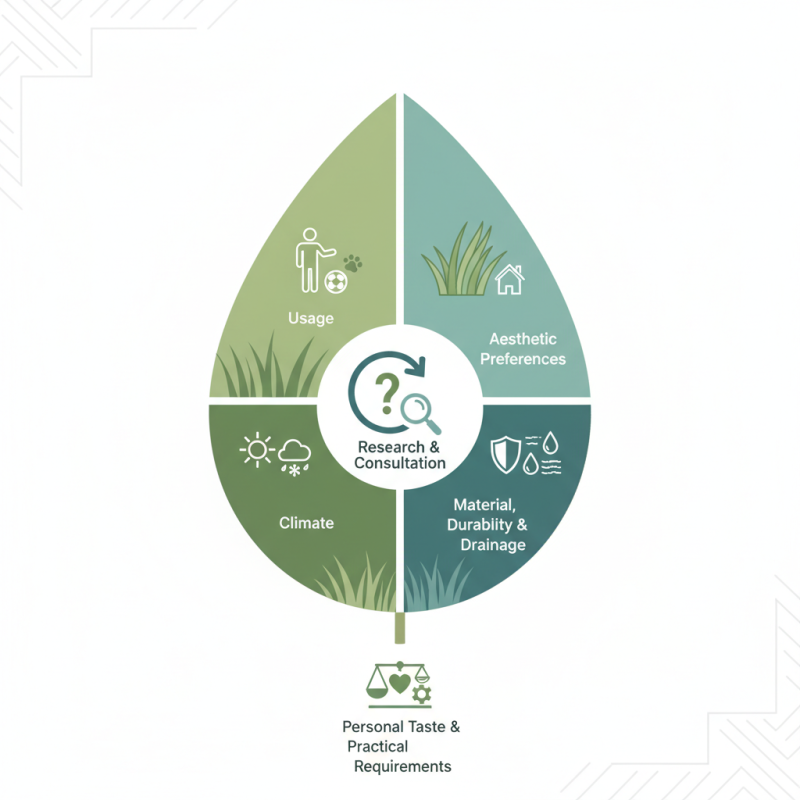
Understanding your specific needs is crucial. Consider factors such as usage, climate, and aesthetic preferences. The right artificial grass blends functionality and style. Evaluate the material, durability, and drainage capabilities. Some grasses may look beautiful but lack the resilience required for heavy use.
Choosing artificial grass can be overwhelming. There's a wide variety of options on the market. Do thorough research to ensure you make an informed choice. Look for trusted brands with positive reviews. Consulting with professionals can provide additional insights. Remember, the best choice reflects both your personal taste and practical requirements.
Factors to Consider When Choosing Artificial Grass
Choosing the right artificial grass involves several critical factors. First, consider the blade height and density. Taller blades often resemble natural grass more closely. A dense turf feels softer underfoot and provides a lush look. You might find varying densities. Test a few samples to see what fits your preference.
Next, the material used in the grass is vital. Most artificial grass is made from polyethylene, polypropylene, or nylon. Each has its pros and cons. Polyethylene is soft and durable, while nylon is strong but can be pricier. Think about what matters most to you. Is it softness, durability, or budget-friendly options?
In addition, evaluate the drainage system. Good drainage prevents puddling and maintains the turf's integrity. Poor drainage might lead to odors or mold. Assess the area where you plan to install the grass. Not all types are suitable for every location. Reflecting on these aspects will help make a well-informed choice.
Comparison of Key Factors in Choosing Artificial Grass
Types of Artificial Grass and Their Features
When selecting artificial grass, understanding the different types is crucial. The two main categories are nylon and polyethylene. Nylon is durable and resistant to heat, making it ideal for high-traffic areas and sports fields. Its exceptional resilience allows it to withstand heavy use, according to the Synthetic Turf Council. However, the cost is higher compared to other types, which might not suit every budget.
Polyethylene, on the other hand, offers a more realistic look and feel. It is softer and has superior resilience. This type is often used in residential lawns and landscapes. According to a report by the International Association of Synthetic Turf, polyethylene makes up approximately 70% of the market for residential applications. However, it may not hold up as well in extreme weather compared to nylon.
Some consumers overlook infill options, which can affect performance. Infill helps in drainage and provides stability. Ignoring this aspect may lead to issues over time, especially in wetter climates. Making an informed choice involves weighing the pros and cons of each type based on personal needs and environmental conditions. Understanding these features will ensure a successful selection and usage of artificial grass.
Evaluating Durability and Maintenance Requirements
When choosing artificial grass, durability is critical. A 2018 report by the Synthetic Turf Council highlighted that high-quality artificial turf can last up to 15 years with proper care. This longevity is essential for homeowners looking for a long-term investment. Look for products made with UV-resistant materials. This can help prevent fading in direct sunlight.
Maintenance requirements vary significantly among different types of artificial grass. Some may require regular brushing to keep fibers upright, while others need minimal care. According to industry analysis, about 70% of users prefer grass that can withstand heavy foot traffic without showing wear. Consider the intended use; play areas may need tougher options than decorative lawns.
Despite advances in technology, some challenges remain. For example, infill materials can accumulate debris, necessitating periodic cleaning. Additionally, the initial installation cost can be higher than anticipated. Weighing these factors thoughtfully helps create a balanced decision aligned with your needs.
Understanding the Cost of Artificial Grass Options
When selecting artificial grass, understanding costs is crucial. Prices vary significantly based on material and features. High-quality turf often comes with a higher price tag. This cost reflects durability and realistic appearance. Installation expenses add to the total. Professional installation ensures proper alignment and drainage but may raise your budget.
Additional factors influence pricing. Thickness and pile height can greatly affect cost. Thicker blades often feel softer but can be pricier. Some options incorporate UV protection, extending lifespan under sunlight. Maintenance requirements also impact overall value. Lower maintenance often leads to higher upfront costs.
Keep in mind that not all inexpensive options are low quality. Some budget-friendly products can still deliver decent performance. However, they may require more upkeep. Research and knowledge of your needs can guide better decisions. Consider how much you want to invest over time rather than just upfront. Balancing quality and affordability is essential as you explore your options.
How to Choose the Best Artificial Grass for Your Needs? - Understanding the Cost of Artificial Grass Options
| Type of Artificial Grass | Cost per Square Foot | Durability (Years) | Best Use Case | Maintenance Level |
| Residential Turf | $2.00 - $3.00 | 10-15 | Backyards, Play Areas | Low |
| Commercial Turf | $3.00 - $5.00 | 15-20 | Parks, Sports Fields | Medium |
| Pet Turf | $2.50 - $4.00 | 10-15 | Pet Areas, Dog Parks | Low |
| Landscape Turf | $1.50 - $3.00 | 15-20 | Gardens, Yards | Very Low |
| Sports Turf | $5.00 - $7.00 | 20-25 | Football, Soccer Fields | Medium |
Selecting the Right Artificial Grass for Your Climate
When selecting artificial grass, climate plays a crucial role. Different types of grass perform better under varying weather conditions. For example, areas with intense sun may require UV-resistant options to prevent fading. In contrast, regions with high humidity might benefit from synthetic varieties featuring superior drainage.
Consider temperature extremes. Cold climates can cause certain types of grass to become brittle. It’s essential to choose a product that can withstand these conditions without significant wear. Conversely, hot climates demand a cooler surface that remains comfortable underfoot. A high-quality artificial grass can minimize heat retention.
Reflect on maintenance needs as well. Some artificial grass types are easier to clean than others. Regular upkeep may impact your choice. Think critically about how often you will maintain the lawn. Choosing grass that requires less effort can save time and enhance enjoyment. Always review your local climate to find the best match for your outdoor space.


 English
 España
 عرب
عرب 简体中文
简体中文
