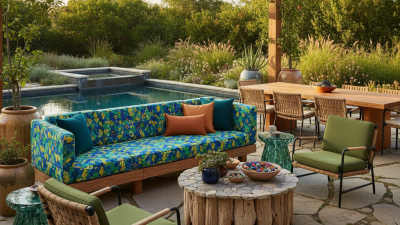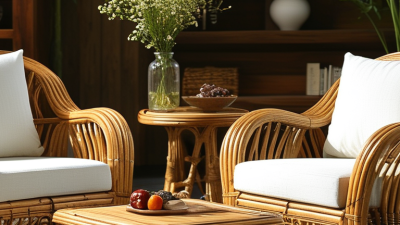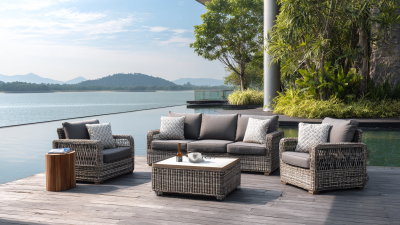
Choosing the right Rattan Furniture manufacturer is rarely as simple as comparing product photos. Global buyers must examine material quality, factory experience, production capacity, export records, and communication standards. A beautiful chair may hide weak joints, uneven weaving, or poorly treated frames. That matters after months in humid warehouses or long-distance shipping.
Rattan specialist and sustainable furniture consultant James Orrom once observed, “Responsible rattan design must respect both the material and the people shaping it.” This principle guides the manufacturers featured in this overview. Each company is considered through practical details, including cane selection, kiln-drying methods, frame construction, finishing consistency, packaging, and customization support. Certifications and factory claims should still be verified independently. No list can remove every purchasing risk.
Some manufacturers excel in handmade craftsmanship. Others offer stronger hotel-project capacity or modern outdoor collections. A few may appear less polished online but provide better sampling and responsive service. That difference is easy to miss.
Buyers should request samples.
This guide, “10 Best Rattan Furniture Manufacturers for Global Buyers,” is designed as a working reference, not an absolute ranking. It considers suppliers serving international markets and highlights where each manufacturer may fit best. Pricing, lead times, minimum order quantities, and compliance documents can change. Therefore, careful due diligence remains essential. Inspect the weave closely. Ask about moisture control. Confirm replacement policies before placing a large order. The best partnership is not always the cheapest one; it is the one that remains dependable after the deposit is paid.

What Defines a Top Rattan Furniture Manufacturer
A top rattan furniture manufacturer combines skilled craftsmanship with repeatable production control. Experienced teams understand how rattan reacts to humidity, heat, and storage conditions. They select mature, properly dried materials with consistent color, strength, and flexibility. Small differences matter. Uneven strands can weaken a chair or spoil its appearance.
Reliable manufacturers maintain clear quality checkpoints from frame building to final packing. They test joints, seat strength, surface coatings, and product stability. Their workshops should provide material records, inspection reports, and realistic production timelines. Transparent communication also matters when specifications change. A factory that admits a mistake may be more trustworthy than one promising perfection. No workshop is flawless. The important question is how quickly it identifies and corrects problems.
Tips: Request a detailed sample before placing a large order. Check the weaving from several angles, including the underside. Ask how moisture is controlled during storage and shipping. Review packaging with practical handling in mind. Strong export experience is useful, but it should not replace independent inspection. Also, discuss replacement policies and production tolerances in writing. These details reveal operational maturity. A manufacturer may offer attractive prices, yet weak documentation or inconsistent samples can create expensive delays. Look for evidence, not impressive claims.
This buyer evaluation framework focuses on the practical factors used when comparing rattan furniture manufacturers internationally. Product quality, material durability, and production consistency receive the greatest emphasis, followed by customization, export capability, and compliance documentation.
Global buyers should evaluate rattan furniture suppliers beyond attractive photographs and low quotations. Experienced manufacturers can explain rattan grades, frame materials, drying methods, and finishing processes clearly. Ask for recent product samples, not only digital catalogs. Check whether the weave feels even, the joints stay firm, and the surface remains smooth after handling.
Production reliability matters. Request factory details, monthly capacity, lead times, and inspection procedures. A professional supplier should provide clear measurements, material specifications, packaging plans, and shipping documents. Moisture control deserves special attention. Poorly dried rattan may develop mold, loosen, or crack during overseas transport. Independent inspections can verify dimensions, load performance, carton strength, and finish consistency before shipment.
Ethical and responsible sourcing also affects supplier credibility. Buyers should ask how materials are obtained and whether the supplier follows applicable environmental, labor, and export requirements. Traceable records are valuable evidence. Visit the workshop when possible, or arrange a live video inspection. Small inconsistencies can reveal larger problems. A sample may look excellent, while bulk production varies in color or weave tension. I have found that detailed contracts reduce confusion, but they cannot replace regular communication. Even reliable suppliers may miss a deadline when materials or port schedules change. Leave practical time for corrections. Price matters, but responsive service, stable quality, and honest reporting usually protect the investment better.
Global buyers often judge rattan manufacturers by more than appearance. Production records, material traceability, export experience, and quality control deserve equal attention.
A coastal Indonesian workshop focuses on handwoven dining chairs and tests frame joints before packing. A Vietnamese manufacturer combines rattan with powder-coated steel for hotels and checks weld consistency daily. A Philippine producer specializes in light, natural-colored loungers, though seasonal humidity can affect delivery schedules. A Malaysian factory offers detailed prototypes and maintains stable moisture levels during kiln drying.
A Chinese manufacturer is known for flexible custom sizing and uses sample approvals before bulk production. A Bangladeshi workshop creates tightly woven baskets and small furniture, with careful attention to fiber thickness. A Spanish studio serves premium interiors and emphasizes refined finishing, but its higher labor costs may challenge large orders. A Polish manufacturer produces indoor rattan pieces with strict surface inspections and clear packaging specifications.
A Turkish supplier combines rattan panels with engineered wood and provides useful assembly documentation. A Cambodian workshop supports handmade collections and preserves visible craft marks, although its production capacity may remain limited. These profiles show different strengths rather than identical perfection. Buyers should request recent factory photographs, material samples, inspection reports, and realistic lead times. A beautiful catalog can hide weak cartons, uneven weaving, or delayed replacement parts. I would also test one shipment first. That small step often reveals more than a polished sales presentation.
| Rank | Anonymous Manufacturer Profile | Primary Manufacturing Base | Main Product Specialization | Typical Rattan Material | Construction Method | Customization Capability | Common Buyer Segment | Sustainability and Compliance Check | Recommended Due-Diligence Documents |
|---|---|---|---|---|---|---|---|---|---|
| 1 | Profile A — Large Export-Oriented Workshop | Indonesia | Indoor seating, dining chairs, occasional tables and hospitality furniture | Natural rattan pole, peel and core; frequently combined with engineered wood | Hand-bent frames with woven panels and mechanical fasteners | High; dimensions, stains, weaving patterns, cushions and packaging can usually be adapted | Importers, furniture retailers, hotels and interior designers | Verify legal harvesting, fumigation, chemical finishing and wood-panel sourcing | Business license, material-origin statement, factory audit, packing specification and test reports |
| 2 | Profile B — Integrated Indoor Furniture Producer | Vietnam | Dining sets, lounge chairs, cabinets and mixed-material furniture | Rattan cane, rattan webbing and woven natural-fiber panels | Wood or metal subframes with hand-applied cane weaving | High; suitable for private-label collections and coordinated furniture programs | Wholesale distributors, online furniture sellers and residential projects | Confirm moisture control, kiln-drying practices, coating safety and social-compliance records | Factory profile, quality-control plan, coating declaration, inspection report and carton drop-test results |
| 3 | Profile C — Artisan and Hospitality Specialist | Philippines | Accent chairs, barstools, pendant-style furniture and resort interiors | Natural rattan pole, split rattan and woven abaca combinations | Traditional hand-weaving with timber, cane or metal reinforcement | High for design-led orders; production capacity should be confirmed for large projects | Resorts, restaurants, boutique hotels and specialty retailers | Check structural testing, fire-safety requirements, pest treatment and commercial-use warranties | Prototype approval record, load-test data, pest-treatment certificate and installation guidelines |
| 4 | Profile D — High-Volume Mixed-Material Factory | China | Rattan-look chairs, outdoor-style furniture and contract seating | Natural rattan alongside paper cord, synthetic wicker and metal frames | Machine-assisted frame production with hand-finished weaving | Very high; broad access to metal, wood, upholstery and synthetic-wicker supply chains | Mass retailers, project contractors and hospitality procurement companies | Specify whether the product is natural or synthetic rattan and verify chemical compliance | Material declaration, restricted-substances test, factory audit and production sample approval |
| 5 | Profile E — Sustainable Natural-Fiber Workshop | Malaysia | Contemporary lounge furniture, baskets, screens and decorative accessories | Natural rattan, bamboo details and other plant-based woven fibers | Handcrafted weaving supported by timber or powder-coated metal frames | Medium to high; strongest for small and medium design collections | Eco-focused retailers, designers and premium residential projects | Request evidence for renewable material claims, supply-chain traceability and packaging content | Material traceability statement, packaging specification, coating data and ethical-sourcing policy |
| 6 | Profile F — Cost-Competitive Cane Furniture Producer | India | Cane-panel chairs, side tables, headboards and occasional furniture | Cane webbing, rattan peel and locally available wood components | Cane insertion into routed frames, stapled panels and hand-finished joinery | Medium; custom sizes and finishes are generally practical after sampling | Furniture wholesalers, hospitality suppliers and project buyers | Confirm timber legality, dimensional consistency, edge finishing and export packaging | Product specification, timber documentation, inspection checklist and packing photographs |
| 7 | Profile G — Traditional Woven-Furniture Manufacturer | Thailand | Accent seating, baskets, room dividers and decorative furniture | Natural rattan, bamboo and reed-based woven materials | Handwoven construction with curved timber frames and natural finishes | High for artisan designs; lead times may vary by weaving complexity | Boutique retailers, hospitality designers and lifestyle brands | Review moisture resistance, colorfastness, pest treatment and indoor-use limitations | Sample sign-off, care instructions, finish specification and quality-inspection records |
| 8 | Profile H — Outdoor and Resort Furniture Supplier | Indonesia | Resort seating, sun loungers, dining furniture and covered outdoor collections | Natural rattan for sheltered areas and synthetic polyethylene wicker for exposed areas | Aluminum or hardwood frames with hand-woven surfaces | High; frame materials, weave density, cushion fabrics and dimensions can be specified | Hotels, restaurants, resorts and commercial landscape projects | Do not assume natural rattan is weatherproof; verify UV, water, corrosion and load performance | Outdoor test results, frame material certificate, fabric test data and warranty terms |
| 9 | Profile I — Small-Batch Design Manufacturer | Bangladesh | Handwoven chairs, stools, storage pieces and decorative homeware | Natural rattan, cane and locally sourced woven fibers | Labor-intensive hand weaving with simple wood or metal supports | Medium to high; particularly suitable for distinctive patterns and smaller collections | Independent retailers, fair-trade distributors and interior studios | Assess worker-safety procedures, material consistency, capacity and export experience | Supplier questionnaire, social-audit evidence, production photos and pre-shipment inspection report |
| 10 | Profile J — Export-Focused Home Furniture Factory | Vietnam | Bedroom furniture, occasional tables, chairs and coordinated home collections | Cane webbing, rattan peel and engineered wood combinations | Panel insertion, wood joinery and hand-applied woven detailing | High; suited to repeatable designs, private-label orders and coordinated ranges | Furniture chains, e-commerce sellers, wholesalers and residential developers | Verify factory ownership, subcontracting controls, packaging performance and product-safety compliance | Factory registration, approved sample, bill of materials, inspection report and shipping documents |
Note: The profiles are anonymized for comparison. Product capability, material origin, certifications, minimum order quantities, lead times and export eligibility should be verified directly with each supplier before purchasing.
Choosing among the 10 best rattan furniture manufacturers requires more than comparing catalog photos. Buyers should inspect product range, material grades, and production experience. A dependable supplier may offer dining chairs, lounge sets, beds, stools, and outdoor collections. Natural rattan provides warm texture and visible variation. Synthetic PE rattan usually offers better resistance to moisture and sunlight.
Frame construction deserves close attention. Powder-coated aluminum resists rust and keeps outdoor furniture relatively light. Seasoned hardwood can create a stronger indoor structure, but it needs controlled moisture levels. Check weaving density, edge finishing, joint strength, and cushion stitching. Small details matter. Uneven gaps often become larger after repeated use.
Quality evidence should include material samples, inspection records, and performance testing. Ask how the manufacturer checks color consistency between production batches. Request photos of carton protection, corner guards, and moisture barriers. Customization may cover dimensions, weave patterns, frame colors, cushion fabrics, logos, and packaging. However, low minimum order quantities may increase unit costs. A beautiful prototype can also hide production difficulties. Review a pre-production sample before approving a full order. Do not assume every “outdoor” label means unlimited weather resistance. Confirm the tested conditions, warranty scope, replacement process, and realistic delivery schedule in writing.
Choosing among the 10 best rattan furniture manufacturers requires more than comparing catalog prices. Global buyers should examine material quality, production control, export experience, and after-sales reliability.
The IMARC Group estimates that the global rattan furniture market reached about USD 8.4 billion in 2023. This growth attracts new suppliers, but not every factory has equal expertise.
Request production samples before signing a large order. Check cane diameter, weaving tension, frame alignment, coating thickness, and moisture levels. Outdoor collections need UV and humidity testing, not only attractive photography.
EN 581 and ISO 4892-3 can help define suitable performance checks. Ask for recent test reports, carton drop results, and inspection records.
The World Bank’s Logistics Performance Index 2023 highlights customs, infrastructure, tracking, and delivery reliability as key trade factors. These details affect real landed cost.
Tips:
Compare at least three factories using the same specification sheet. Ask for photographs during weaving, finishing, and packing. Confirm minimum order quantities, replacement policies, lead times, and payment milestones in writing.
A factory offering the lowest quote may use thinner frames or weaker synthetic fibers. I have seen buyers focus too heavily on unit price. That is a costly blind spot.
Suppliers should also explain how they control color variation between batches. Perfect consistency is difficult with natural materials. Their response may reveal more than a polished showroom.