What Is Anti Sensitivity Toothpaste and How Does It Work?
When cold water, sweet foods, or a toothbrush touches a sensitive tooth, the pain can feel sharp and immediate. Anti-Sensitivity Toothpaste is designed to reduce this discomfort through specific active ingredients. It does not simply make teeth “stronger” overnight. Instead, it may calm nerve responses or block pathways leading toward the tooth’s inner tissues.
Some formulas contain potassium nitrate, which can reduce the nerve’s reaction to repeated stimulation. Others use stannous fluoride, arginine, or calcium-based compounds to help cover exposed dentin and seal open tubules. Imagine dentin as a group of tiny channels beneath the enamel. When these channels are exposed, temperature changes can travel inward more easily. A suitable toothpaste may help limit that movement over time.
That matters.
Dental professionals often recommend brushing gently twice daily with fluoride toothpaste, because aggressive pressure can worsen gum recession and sensitivity. Clinical results vary, and relief may require several days or weeks. The label can sound more precise than it is. Ingredient concentration, brushing habits, enamel wear, and the cause of sensitivity all influence the outcome.
Sensitivity may also signal decay, a cracked tooth, worn enamel, or gum disease. Toothpaste cannot diagnose these problems. Persistent, worsening, or localized pain deserves a dental examination. This guide explains how Anti-Sensitivity Toothpaste works, what its ingredients may do, and where its benefits have limits. The most reliable choice depends on evidence, professional advice, and your mouth’s specific condition.
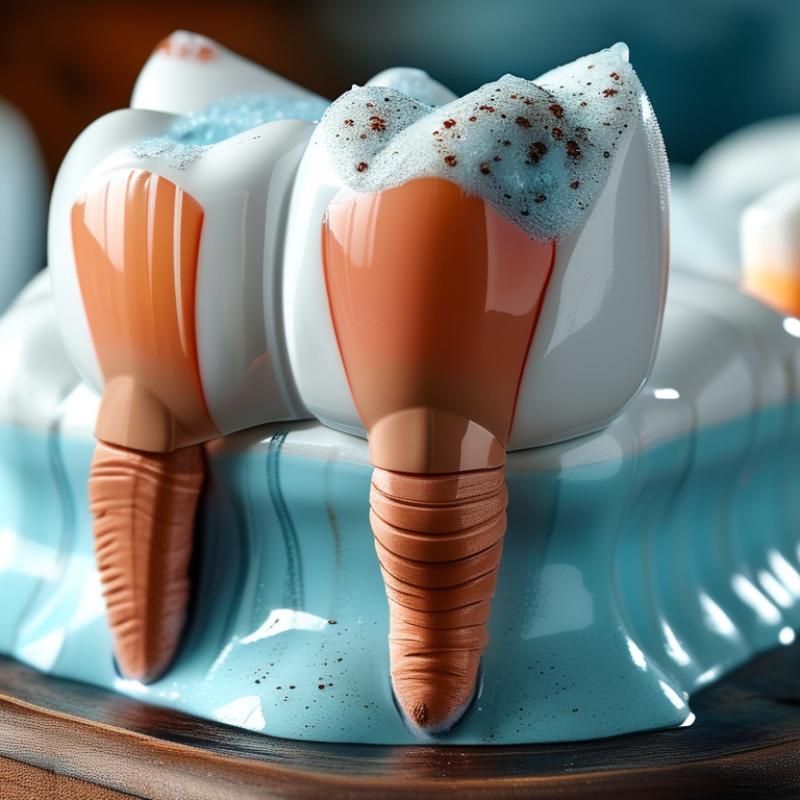
What Is Anti-Sensitivity Toothpaste?
Anti-sensitivity toothpaste is designed for teeth that hurt when exposed to cold drinks, hot foods, sweets, or brushing.
It usually contains active ingredients such as potassium nitrate or fluoride compounds. These ingredients work in different ways. Potassium nitrate may calm nerve signals inside the tooth. Fluoride can strengthen weakened enamel and help block tiny openings in exposed dentin. The effect is gradual, not instant. It is not a magic fix.
A small change can feel significant.
Imagine sipping iced water without a sharp, electric-like jolt. Use a soft-bristled toothbrush and gentle pressure. Scrubbing harder may worsen enamel wear and gum recession. Brush twice daily, but avoid brushing immediately after acidic foods or drinks.
This advice sounds simple, yet many people overlook it.
I once assumed stronger pressure meant cleaner teeth. It does not.
Tips:
Choose toothpaste with recognised sensitivity ingredients and follow the package directions. Spit after brushing, rather than rinsing heavily, so fluoride remains longer. Give the toothpaste several weeks of consistent use. If pain continues, affects one specific tooth, or appears without a trigger, arrange a dental examination. Sensitivity can also result from decay, a cracked tooth, worn fillings, or gum problems. No toothpaste can diagnose those conditions.
Why Teeth Become Sensitive
To understand anti-sensitivity toothpaste, start with why cold drinks can hurt. Healthy enamel protects the dentin beneath it. Dentin contains tiny channels that lead toward the tooth’s nerve. When enamel wears down or gums recede, these channels become easier to stimulate. A sip of ice water, a sweet snack, or a sharp breath may cause a sudden twinge. That pain often fades quickly.
Several everyday habits can expose dentin. Brushing with excessive pressure may gradually wear enamel near the gumline. Acidic drinks and frequent reflux can soften the tooth surface. Grinding, cracked teeth, cavities, and recent dental treatment may also create sensitivity. Not every sensitive tooth has the same cause. That distinction matters. Desensitizing toothpaste commonly uses ingredients that block dentinal channels or calm nerve responses. With regular use, it may reduce fluid movement inside those channels. Relief is usually gradual, not instant.
Use a soft-bristled brush and light pressure. Spit after brushing instead of rinsing heavily, unless your dental professional advises otherwise. Do not scrub a painful area harder. That can worsen irritation. Persistent, severe, or one-sided pain deserves a dental examination. A cavity or crack will not be reliably fixed by toothpaste alone. It is tempting to blame weak enamel, but that explanation is incomplete. Gums, bite, diet, and the tooth’s nerve can all play a role.
How Anti-Sensitivity Toothpaste Works
Anti-sensitivity toothpaste is designed for dentin hypersensitivity, not ordinary tooth discomfort. This condition often causes a sharp, brief pain when cold water, sweet foods, or air reaches exposed dentin. A systematic review in the Journal of Dentistry reported prevalence estimates from 1.3% to 92.1%. The wide range reflects different populations, examination methods, and definitions. That uncertainty matters.
How Anti-Sensitivity Toothpaste Works
Some formulas contain potassium salts. With regular brushing, these ingredients may reduce nerve excitability inside exposed dentin tubules. Others use calcium-based compounds to form a mineral-like layer over the tubules. This barrier can limit fluid movement, which is one accepted explanation for sensitivity pain. The process is gradual. Clinical results usually depend on twice-daily use, gentle brushing, and continued application.
Small details make a difference. Use a soft-bristled brush and avoid scrubbing exposed roots. Abrasive whitening powders may worsen discomfort. The World Health Organization’s Global Oral Health Status Report estimates that nearly 3.5 billion people live with oral diseases, showing how common untreated dental problems remain. Still, toothpaste cannot repair decay, cracks, gum disease, or a damaged filling. I would not assume every sharp pain is sensitivity. Persistent, spontaneous, or worsening pain deserves a dental examination. The evidence is useful, but not perfectly tidy.
What Is Anti-Sensitivity Toothpaste and How Does It Work?
Anti-sensitivity toothpaste typically uses active ingredients that either calm nerve responses or reduce fluid movement through exposed dentin tubules. The chart shows common active ingredients and their typical concentrations in over-the-counter formulations.
How it works: Potassium nitrate helps reduce the sensitivity response of exposed dental nerves. Fluoride compounds help strengthen enamel and can promote mineral deposits that partially block open dentin tubules. Concentration alone does not determine which formula will work best for every person.
Key Ingredients and Their Roles
Anti-sensitivity toothpaste is designed for teeth that react sharply to cold drinks, sweet foods, or a winter breath. The discomfort often begins when enamel wears down or gums recede, exposing dentin. Dentin contains tiny channels that connect with the tooth’s nerve. Toothpaste cannot rebuild lost enamel overnight. It can, however, reduce sensitivity with regular use.
Key ingredients and their roles
Potassium nitrate helps calm nerve activity inside the tooth. It may reduce the sudden “electric” feeling after a sip of iced water. Stannous fluoride can strengthen weakened enamel and form a protective layer over exposed dentin. Some formulas use arginine or calcium-based minerals to help block open dentin channels. Fluoride remains important because it supports enamel repair and helps prevent decay. Results vary. One ingredient may feel helpful, while another may disappoint.
Tips
Brush gently with a soft-bristled toothbrush. Pressing harder can worsen gum recession. Use a small, pea-sized amount twice daily, and avoid rinsing immediately with lots of water. You can also rub a little toothpaste over a sensitive area before bed, if dental guidance allows it. Give the product several weeks, not two mornings. Persistent pain, swelling, or sensitivity in one tooth deserves a dental examination. Sensitivity can sometimes signal decay, a cracked tooth, or an exposed filling, so toothpaste is not always the complete answer.


 English
 España
 عرب
عرب 简体中文
简体中文
